Published

Lessons from our holiday
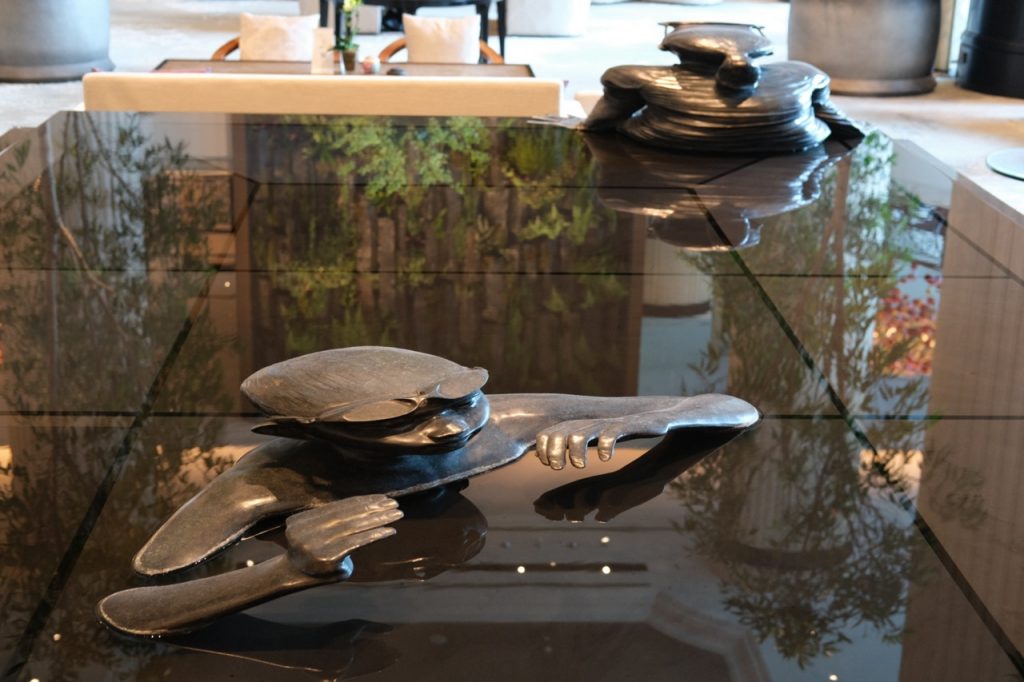
Our trip to Australia via Singapore has been incredible relaxing and we made so many beautiful memories as a family. During the past six weeks we have not had to worry about many things other then when we would go for a swim, where we would go to explore and what we would eat. It has been amazing to spend so much time together with the three of us and to spend so much time with Mathilde together. She has grown so much during this trip and has had so many experiences, it’s amazing to have been able to enable her in that way through this trip. And as husband and wife/father and mother, we have been able to focus on the things that are most important to us as a family; each other.

Now being back home after arriving early in a dreary and wet country, coming from sunnier and warmer parts of the world, it’s hard to stay positive and keep that warm and happy feeling we have had all throughout our holiday. After having had a good nights sleep and being together in our own quite and peaceful home again, and by talking about our feelings and experiences of the holiday and return home we start to feel a little better again. We won’t be able to have the sunshine all year round, or the warmt either, while we live in NL. But we will be able to have other things that are unique and special to our life here.
This trip has thought us some important lessons as well about where we want to go in life as a family and what we can do to get there. About how we can make our time in NL be great and what we want to prepare for for life in AUS. Before our trip we were getting bogged down by all the improvements we could and maybe would make to our current house. We treated this house as if it’s would maybe be our forever home, and were thinking of many ways to spend lots of money towards that. However, that was not our intention with buying this house or even by moving to NL. This holiday has been a reality check in that regard and we are happy about that.

There are a few things that we do want to do now we are back, and they are mostly all based on these lessons we learned from our trip. They are roughly the following things listed:

  • Make our house and its rooms more gezellig:
    • Printing photos of our trip will keep our memories alive and will give a warmer feeling to the house. Other artworks or objects can also help towards this.
    • Soft furnishings will help to warm up the house and make it feel more cozy. Think about curtains, rugs, lamps, furnishings like a chest in the bedroom or a bookshelf in Mathilde’s room.
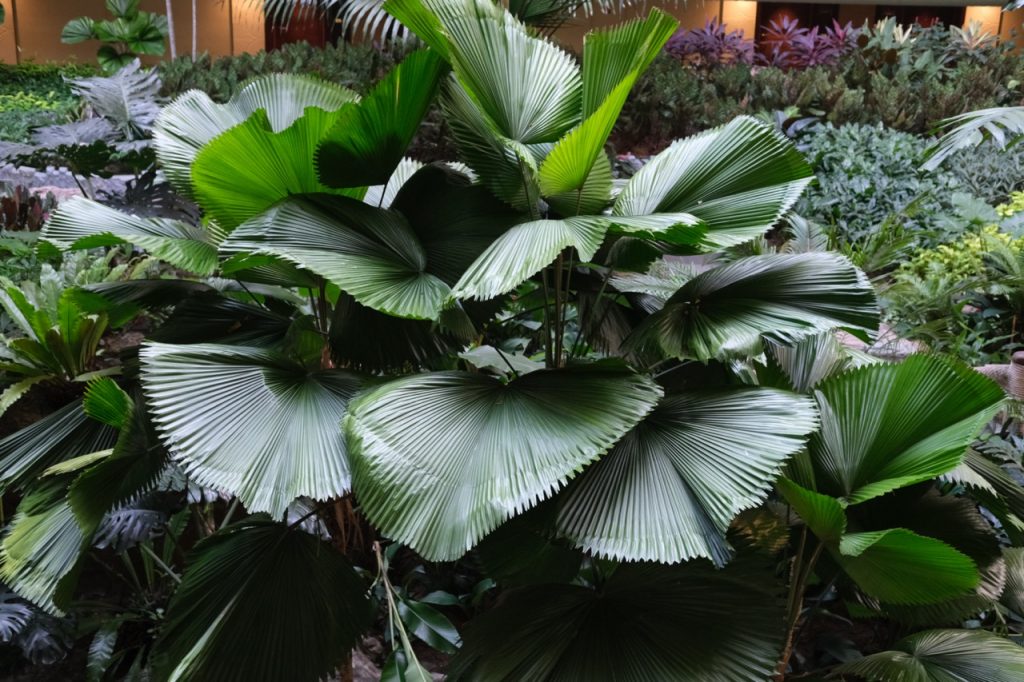
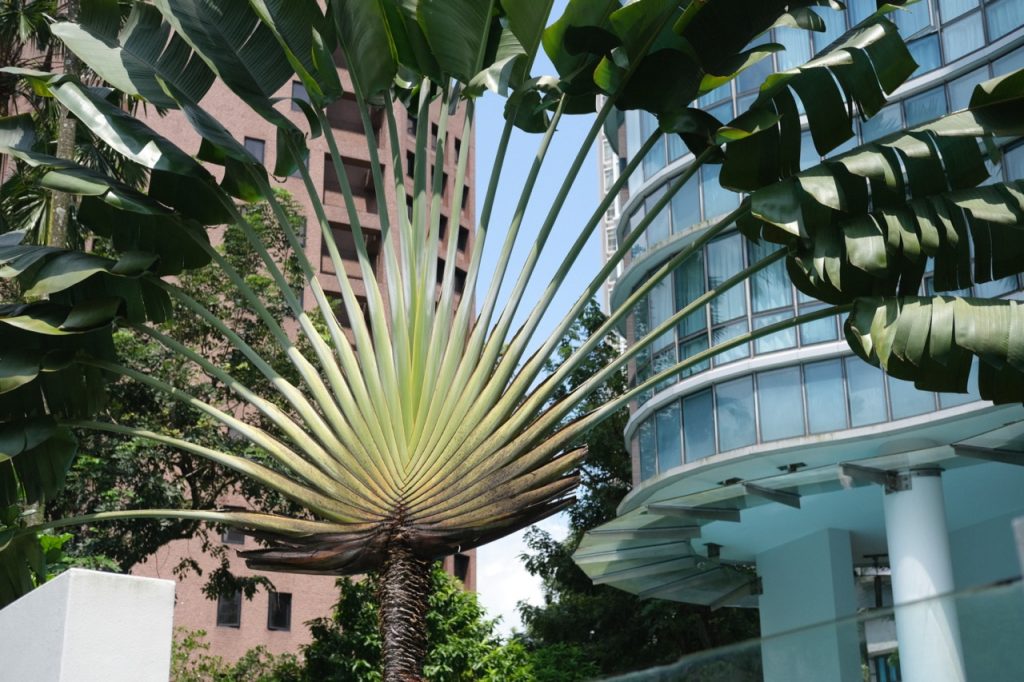
    • Plants will also help with this. Our time in Singapore has been very inspiring in this regard (for interior and exterior planting). Tropical plants that can do well in our climate and evergreen plants in particular are good to look into. But also orchids are something I want to get for our house.
    • Spend money on things that will last us, and be critical on the money spend on the house itself:
      • Don’t try to redo everything in this house. Work with what you got and improve where possible/necessary in a way that is economical and practical.
      • Focus on the living areas and make those work, don’t focus too much on the areas of use (garage, cellar).
      • Improve on the garden but don’t do an overhaul.
      • Don’t start with redoing work that has been done already. Even if your not 100% happy with the result, first focus on areas that haven’t been touched or finalised yet.
      • Discuss more often the state of our finances and our wishes in saving and spending for the future. Where do we want to go and how will we get there financially.
    Itinerary for reference (2024)

    AMS 10:25 21 Jan (Sun) Amsterdam, Schiphol Intl.
    SIN 05:55 22 Jan (Mon) Singapore, Changi
    SQ 323 Airbus A350-900 – Flying time: 12hrs 30mins

    SIN 21:35 24 Jan (Wed) Singapore, Changi , Terminal 3
    BNE 07:15 25 Jan (Thu) Brisbane, Brisbane Intl , Terminal Intl
    SQ 235 Airbus A350-900 – Flying time: 7hrs 40mins

    BN14:45 25 Feb (Sun) Brisbane, Brisbane Intl , Terminal Intl.
    SIN 20:35 25 Feb (Sun) Singapore, Changi
    SQ 236 Airbus A350-900 – Flying time: 7hrs 50mins

    SIN 23:55 28 Feb (Wed) Singapore, Changi , Terminal 3
    AMS 06:45 29 Feb (Thu) Amsterdam, Schiphol Intl
    SQ 324 Airbus A350-900 – Flying time: 13hrs 50mins
    Published

    Loose threads | Threaded stories

    A brand name idea that had strung a cord with me… further thoughts that came with it were the following:

    My brand story is not about China in and of itself. It’s about multiculturalism and anti-globalisation and about making/the maker. That’s the root source of my inspiration and motivation.

    A perspective on culture and how you see and perceive the world around you.

    Brainwaves from 2023

    Remember
    You don’t necessarily have to be able to explain yourself (brand), but it might benefit you if you can when you are asked too.

    Published

    Personal vs Work life

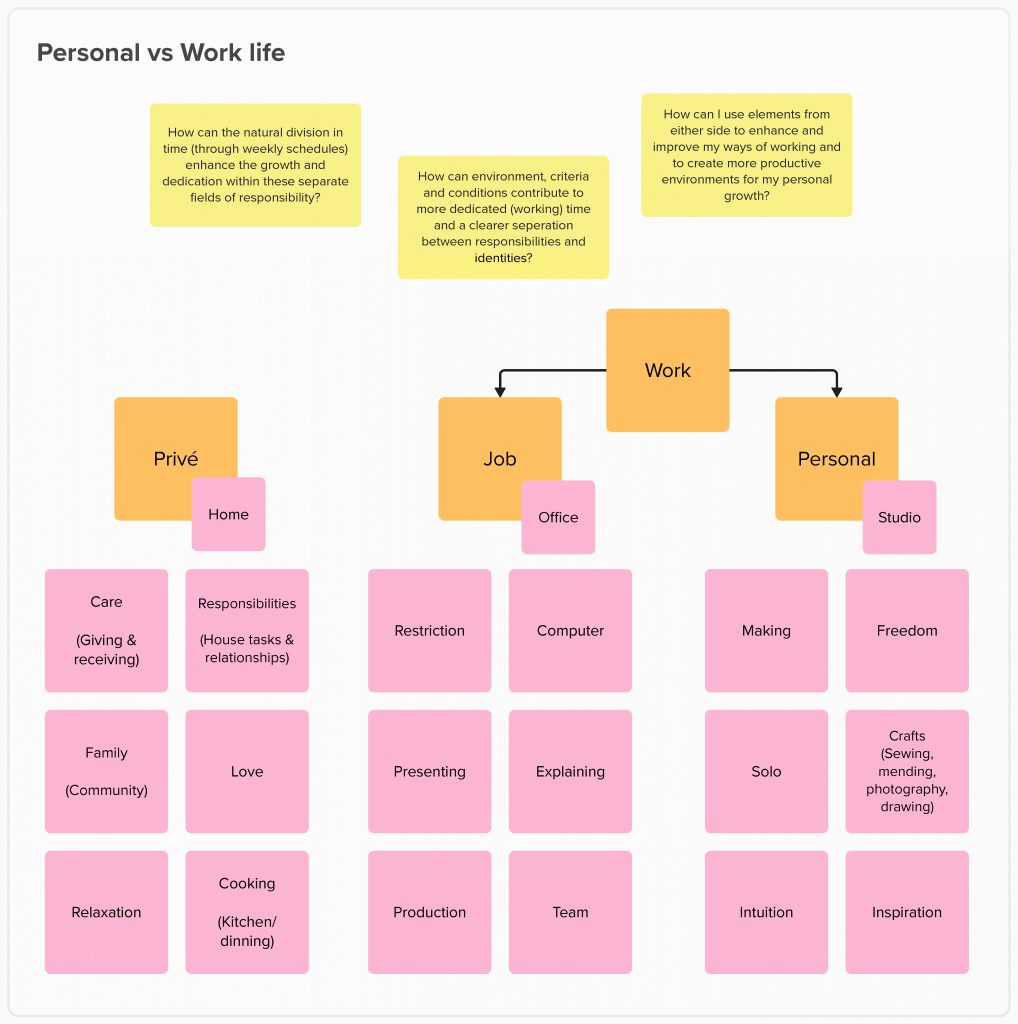
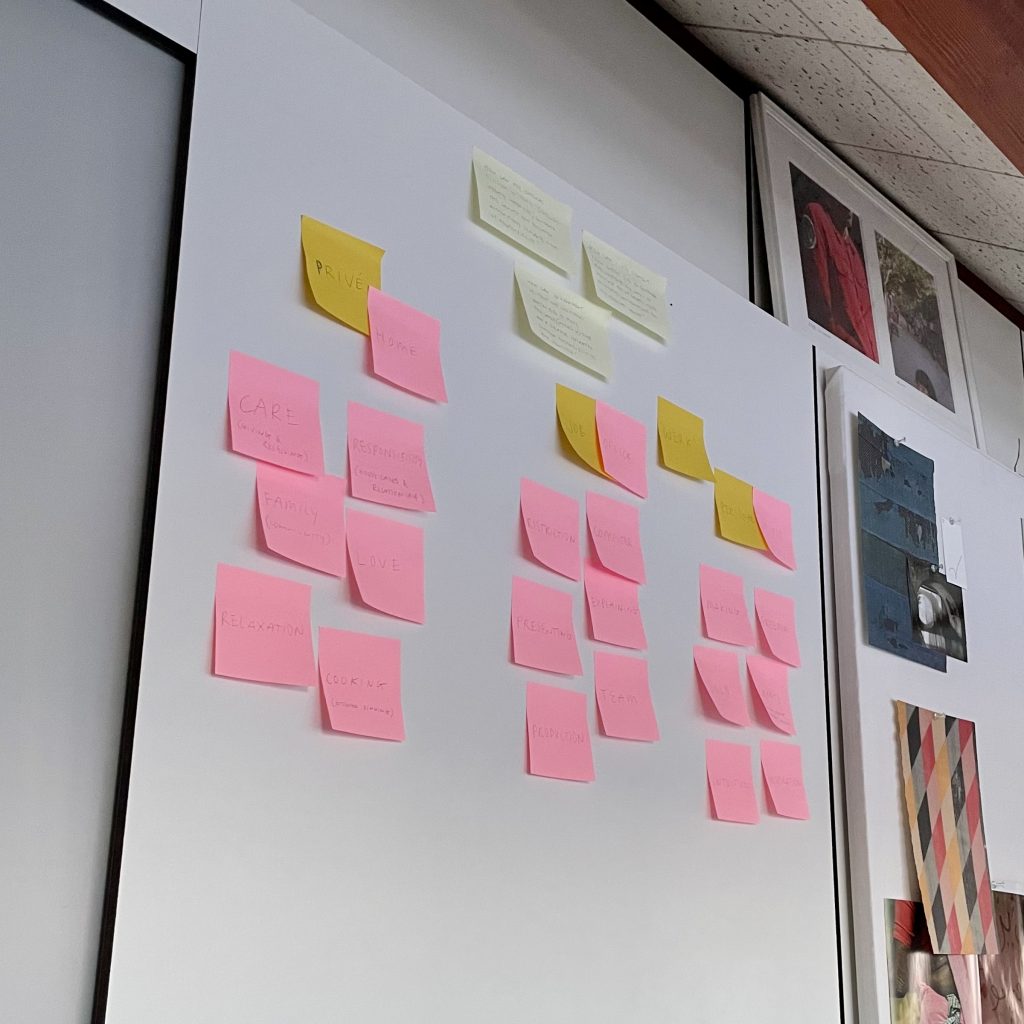
    Finally (after months of hanging somewhat neglected on my studio wall) I have made the much needed and appropriate effort to digitize this set of post-its. At some point during my parental leave (when I wasn’t a father for all that long yet) I had a very ‘motivated’ morning in which I went up to my studio first thing, coffee in hand. My new role as a father put time and responsibilities into a different perspective for me. The exercise of structuring my thoughts around this subject helped me to understand how I have certain strengths, and how I exercise these strenghts in specific areas (sometimes singularly). Being aware of this has helped me to think clearer about which path I want to take with my career and personal interests and how I can use strengths interchangeably between ‘lanes’. I’m not sure if I have been able to answer the questions at the top as of yet, but they are rather ment as mental prompts then concrete answerable questions or targets.

    Published

    Pharrell Williams On His Vision for Louis Vuitton

    • It’s okay to dream beyond the realm of possibility.
    • These days so much can be fluffed; authenticity stands out.
    • Luxury is about aspirations (economically free, educated, equal access – freedom).
    • You design for peoples life, for moments in their day – “I want you to feel empowered, to be seen (as a person), to express yourself”.
    • Recognise that you ARE a living human being.
    • Go! Don’t look back, for what? You can see how far you have come later. I’m scarred for when I take my eyes of the sun, I loose my way.

    https://podcasts.apple.com/nl/podcast/the-business-of-fashion-podcast/id1225204588?l=en&i=1000631225499

    Published

    Unconscious ideation

    In the background I’m slowly working, building on this concept of a clothing brand (and sometimes an online gallery/store). Fleeting thoughts get stored away into a section where they brew until they have formed into a more substantial idea. Soon, I will have to capture some of them, for I can’t risk loosing them. But I have also realised that for me to actually progress towards these concepts of entrepreneurial endeavours, I have to mostly create and action things. It is important to get my thinking straight (and formalised into writing), but it shouldn’t stop me from progressing with intuition. The next steps are therefor not in order, but give a general overview of things to finalise and start semi-simultaneously;

    • Write down core business manifesto/principles
    ‏‏‎‏‏‎‏‏‎ ‎‏‏‎ ‎ ‎ ‎ • Ideas for business operations (how things are sold)
    ‏‏‎‏‏‎‏‏‎ ‎‏‏‎ ‎ ‎ ‎ • Ideas for brand identity

    • Start designing (print-out inspiration, create mood-board and draw designs)

    • Make outstanding pieces
    ‏‏‎‏‏‎‏‏‎ ‎‏‏‎ ‎ ‎ ‎ • Paris sweater
    ‏‏‎‏‏‎‏‏‎ ‎‏‏‎ ‎ ‎ ‎ • Mathilde’s pants/overshirt
    ‏‏‎‏‏‎‏‏‎ ‎‏‏‎ ‎ ‎ ‎ • London handkerchief
    ‏‏‎‏‏‎‏‏‎ ‎‏‏‎ ‎ ‎ ‎ • Shorts (Chinese handloom fabric)

    • Educate myself on clothing making
    ‏‏‎‏‏‎‏‏‎ ‎‏‏‎ ‎ ‎ ‎ • Pattern drafting course


    One big change has been that my almost decade long ‘obsession’ and main focus on China as an inspiration and reference point, has made way for other wider arrays of interests and inspirations. This, to be honest, has been a big step in the right direction for my ideas of starting up the clothing brand that I keep envisioning. To be able to have a broader range of inspirations to work from, gives me a wider scope and that is something I needed right now. It is motivating and I’m looking forward to see what I’ll be looking at for inspiration and will come up with in my designs.

    Published

    DSM

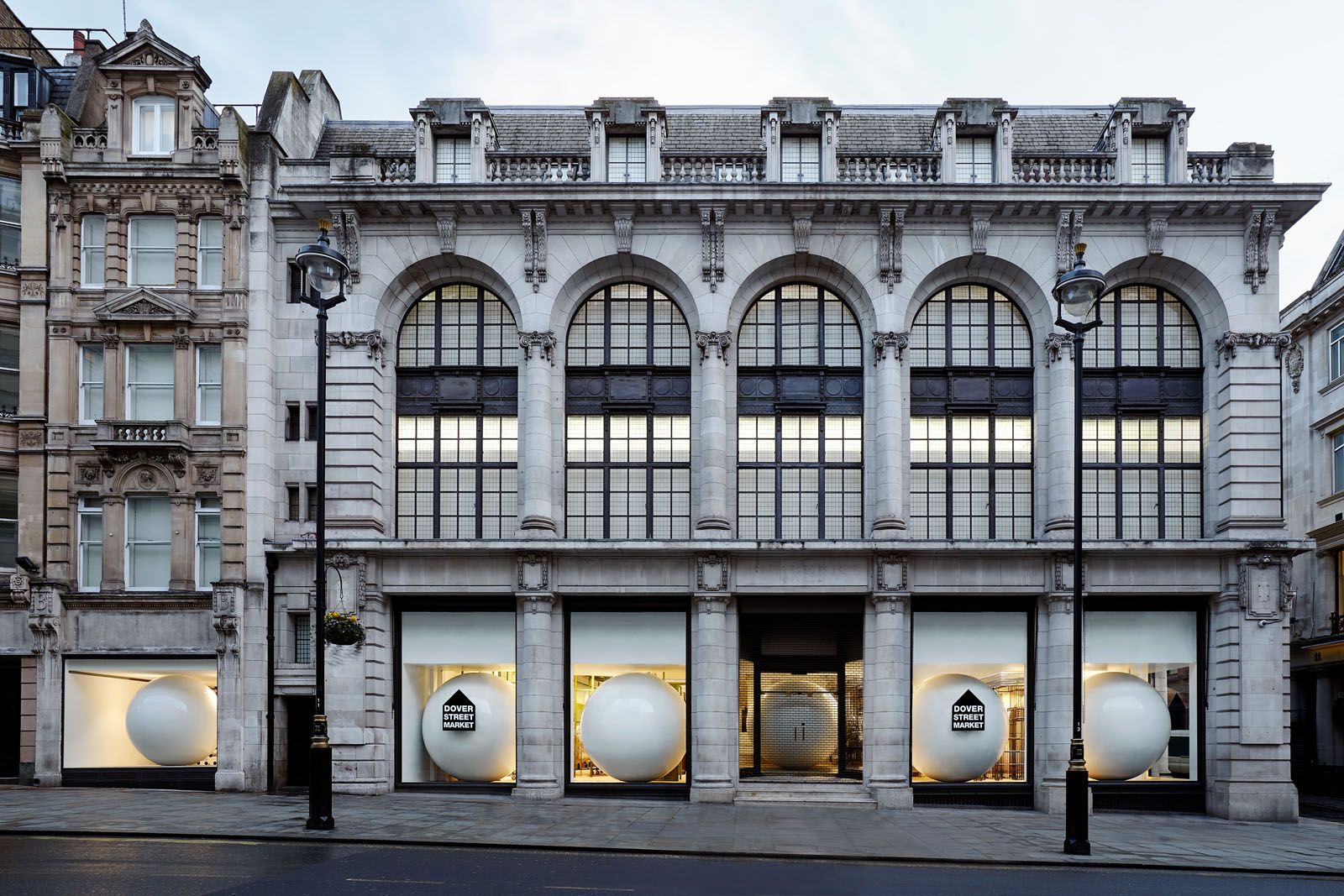
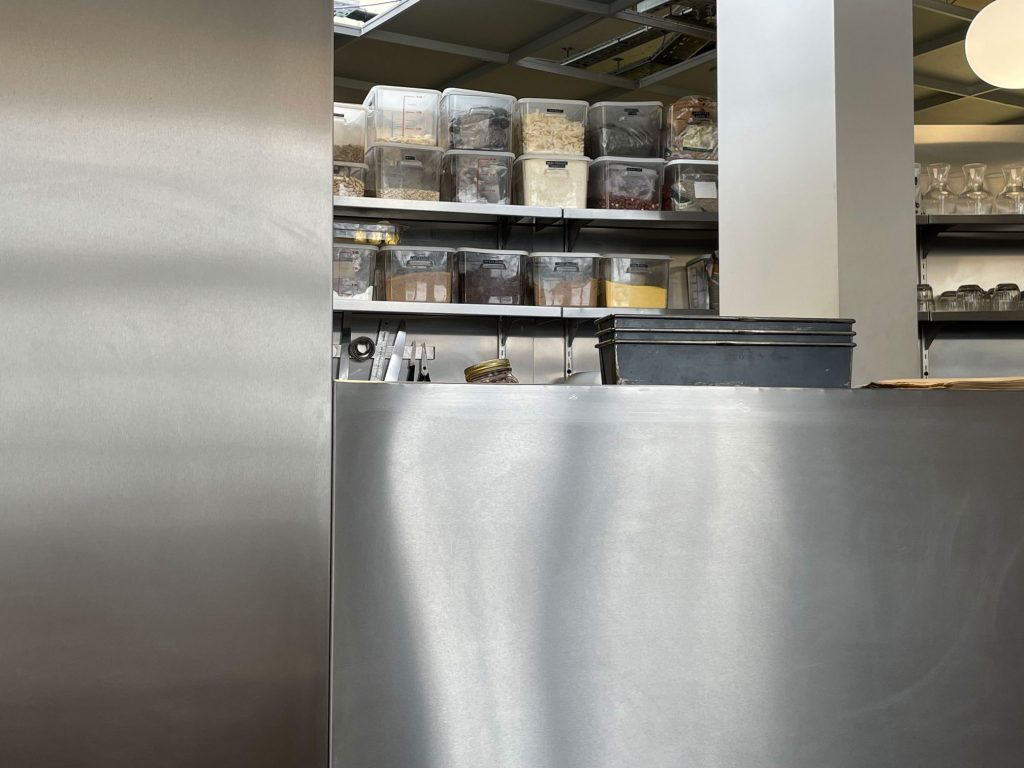
    One of my favourite places in London is Dover Street Market (probably my No.1 favourite place to be honest). I have been going there for many years to soak up the vibe and gain immense inspiration from the store design/layout, clothing designs on display, people that go and work there and Rose bakery. The complete package makes it’s worth visiting with frequency because there is always something new to discover or gain creatively.

    The DSM logo has come to represent this experience and memory I have of this place. When I look at their logo, I feel connected to my inspired self. Analysing the logo further;

    • The shape is a sort of primal drawing shape, representing a house. This simplicity creates a sort of open platform for the diverse selection of brands and styles within the store.
    • A home which represents the family, which is very suited to their store concept; a group of brands together under one roof, some united by brand origin (Comme des Garçons) some related to it and yet others invited in as new friends.
    • “Dover Street Market” as a form of an adres places it in a space and time, a location*. Variations of the logo add the city name underneath “Market” (NEW YORK, LONDON, GINZA).
    • Market” signifies a collection of sellers/retailers and a certain temporality to what’s on offer. It also brings up an image of a lively and communal atmosphere.

    *Dover Street Market London, which was the first location of all DSM locations, was located originally on Dover Street in Mayfair, London. This is where its name originates from. Although the London store has since moved to Haymarket, its name is still linked to the first store location, rooting it in a place and linking it to a certain time.

    Published

    Looking (back) at my own work

    Currently my time is been spent on lots of things other than my creative endeavours (of which my personal blog/website is one). My camera has only joined me on the larger trips, my sewing machine and film-scanner have been boxed up and stored away, even my small bag of embroidery tools has been floating around without being used much.
      Life can sometimes get in the way of creativity. When the only time you have for these endeavours is spare time outside of your day-to-day work and lives obligations. This is particularly true when you’re trying to buy a house, build a home and start a family. Sometimes creativity has to be put on the back-burner to progress in life so that your living environment can grow bigger, which in turn will provide you with more space to grow creatively as well. But that’d assume that life admin, settling or a day-job couldn’t or wouldn’t be a creative outlet for me. To some extend this is true, as my hobbies are my most challenging creative pursuits and exercises. On the other hand; my work at de Belastingdienst challenges me in completely new and unfamiliar ways (professionally and creatively) and finding/renovating a home has made me thinking and working more in three-dimensional space.

    De Verdieping

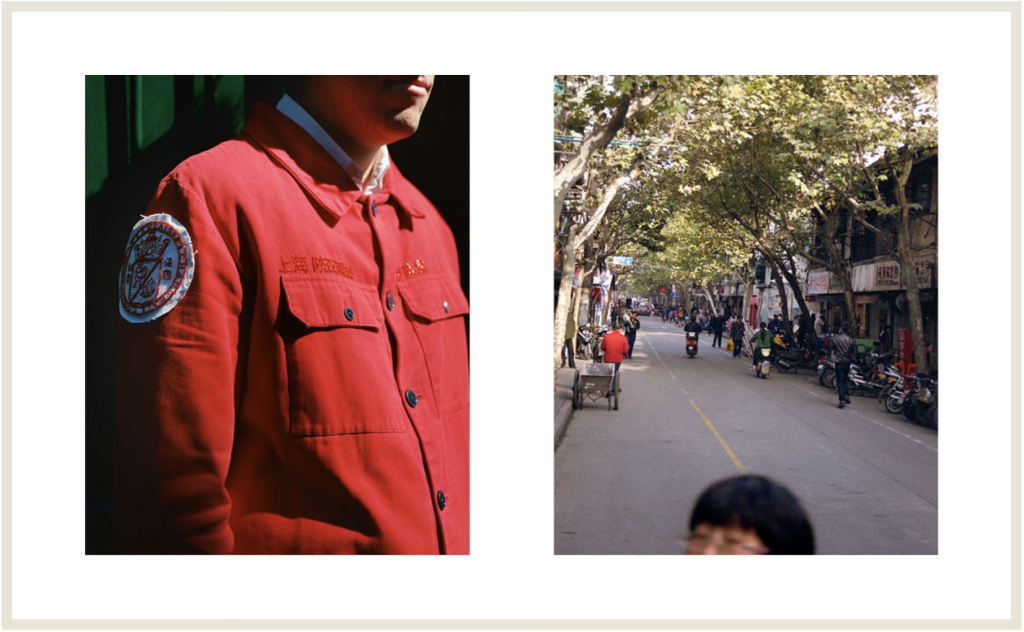
    Serendipitously I had been asked to participate in an exhibition right at this time when I was going through a re-start of sorts. De Verdieping is an exhibition by current graphic design students of the University of the Arts Utrecht. They were asked to approach an alumnus of the same course. They would exhibit a work of mine together with a work made in response to that by one of the students (Floor van den Bergh in my case). I have used this opportunity to summarise a certain period in my work/life, accumulated in the Bugao Li jacket. Below is the to be exhibited diptych and accompanying wall description:

    After designing the annual 2nd-years graphic design course’s exhibition ‘HQ’ in 2012, I was invited to travel to China. It fascinated me tremendously, to the extent that I returned and eventually would spend most of my graduating year over there. Graphic design is my professional expertise, but in my personal time do I like to work with photography and clothing design. Working with concepts (something my degree has thought me) also comes to the fore in my hobby’s. This work is an accumulation of all these interests; inspired by the history of Shanghai, I made this jacket as if it were that of a gatekeeper in one of the Lilong alleyway estates ‘Cité Bourgogne’ (1930) in the old French Concession.

    Published

    Observations on trend

    Clothing design creates garments that may or may not be trendy.

    Trend is based on community, on mass; when a majority considers something of a new/unique (design)style and want to associate themselves with it, you could see a trend appearing of appreciation for this certain style.

    When a garment or style is in trend i.e. trendy, you could also say it is in fashion.

    A trend being constant would mean it at some point becomes the norm to some extend. When a trend increases for it to degrease at a later stage, you could say it is a fashionable trend. For example; it has come into fashion to be associated with this trend (A), but trend A subsequently becomes surpassed by another trend (B), thus A is not able to sustain itself to become the new norm.

    Fashion design therefor is a rather misguided term as it is not the designer that creates fashion, its the people that decide what is in fashion (which in tern is based on trend).

    Something can be fashionable when it is designed to go along a certain trend that is currently in fashion. However, it is very unlikely that a designer creates something that will become fashionable, if it is not linked to a current trend within society. The term fashion designer therefor merely means that the designer is designing something that follows a currently fashionable trend (which either can be on the rise or decline, depending on the foresight of the designer). Success as a designer, or the success of their designs, is somewhat dependent on a variety they can bring within the boundaries of a current trend and on the suitability with a currently fashionable trend.

    Published

    Global vs Local, Fashion vs Clothing

    Current trends in fashion seem to be mostly self referential, in the sense that the clothing designs feed off (street)style and archival pieces/references. This creates a strong image that is coherent but refreshing as it’s based on designs and styles that float around in the subconscious minds of the wearer and creator simultaneously (at least amongst those that closely follow/relate to the fashion world). Extending beyond this realm of reference, it has become apart that a wider perspective on art has become a secondary source of inspiration (e.g. music, sculpture, painting).

    Although it seems to be aspirational for many to become familiar with these reference points that have instigated pieces of contemporary fashion, it has become less important to know (or show, in the designs) a cultural background and history. Taking Louis Vuitton (Virgil Abloh) and Givenchy (Matthew Williams) as examples here, there is a certain influx of American perspectives within the fashion world (and within traditionally Parisian houses). But also beyond that, when you look at Balenciaga for example, Demna Gvasalia (Georgian) uses inspiration found in Eastern Europe. This however often seems to be a referencing a certain styles, which in turn is often an aspirational versions of an American one.

    Thinking about this further

    Is it possible to express locality in fashion design? Within the current day and age, in which everything is instantly shareable and readable online, is it even appropriate? Or is that precisely the reason why it would be important to share local identities, exactly because we are so connected and therefor loose a sense of place within the world?

    How does expressing locality within fashion design look like? Is clothing design the same as fashion design? Can clothing more effectively represent a local identity than fashion, as fashion suggests a globally shared acceptance of something being “fashionable”?