Published

Assessing cultural inspiration

Unpacking the brand positioning of being diversely culturally inspired and taking locality as inspiration a little further;

What does it mean to use these sources of inspiration as a starting point for clothing/brand design.

Using something as inspiration, does not mean the outcome will be a literal translation of that which has been the starting point (inspiration). It rather means that a source (of inspiration) has become seminal in the thoughts process, helping in forming a certain cohesion in thought, concept and creation. Although the final outcome does not necessarily need to have any resemblance or visual/physical queue to what has been used as a source of inspiration, the mention of the inspiration also can’t be frivolous. When the source of inspiration is an important factor to the design or positioning and is communicated as such, the synergy between inspiration and final product has to be relevant to some degree for it to be convincing.

Then, the question is; does the brand positioning need to be linked to the sources of inspiration? Or rather; is that which is described as the source of inspiration actually what is the starting point of the clothing designs, or is it a bogus attempt to be more culturally relevant? Here it becomes important to remind yourself that “using something as inspiration, does not mean the outcome will be a literal translation of that which has been the starting point (inspiration)”. And if [BRAND NAME]’s HOW (being diversely culturally inspired) and WHY (challenging the globalised (homogenised) world/industry) are genuine, there needs to be no fear as such.

Is it cultural appropriation to use these sources of inspiration?

Although genuine, are these diverse cultural inspirations and the use thereof for brand positioning (outside of those cultural environments) appropriate? Or is it a sort of cultural appropriation and therefor inappropriate? It depends on how literal the translation is between source of inspiration and creative output. It also depends on the way it’s translated into something new. When inspiration is used properly to create something entirely new, it would be appropriate as what is being made doesn’t pertain to be of that which is used as inspiration. However, if what is being made is leaning more to a copy, it wouldn’t be as appropriate. This is about (cultural) ownership and representation.

“Creativity is the focused combination of unlikely things. Your mind locks onto a certain element and then searches widely for something unexpected that fits with it. What can scuba diving teach you about agriculture? What can trees teach you about public speaking? There is always some connective tissue between disciplines. If you wish to be more creative, look for the connections between two previously unconnected things.”

by James Clear, as found in his 3-2-1 newsletter

True creativity comes from being inspired, which means you make connections between unlikely things and use that as the starting point for the creation of new things. Therefor, cultural inspiration is fine and appropriate, as long as it leads to something genuinely new and is done so with respect to it’s source.

Published

Different profitability mindsets

No sales-discounts

Good products deserve reasonable pricing. This works two ways; neither should a product be overpriced to create a false perception of value and quality, nor should a product be underpriced to encourage impulse buying and the idea of a good deal. A good product has a price that is linked to its production process and quality manufacturing. These days brands either work with economies of scale (Primark) or economies of exclusivity (Dior) to determine their pricing. When something seems too cheap or expensive to be realistic and fair, it probably is. Sales-discounts play a part in this too. When a product can still be sold for a significantly reduced price without a loss, it means the consumer has been fooled with the original product sales-price.

[BRAND NAME] wants to offer products that are priced fairly to sustain a good product quality and a reasonable and publicly communicated growth percentage (revenue). This means products shall be priced accordingly, and any devaluation in pricing won’t be possible nor necessary.

No out of stock items

Sales-drops and limited edition products have become a mainstay within the global (fashion)economy. They are a sales tactic with revenue as the prime incentive, not creativity. Why else would a great product design only be offered to a limited amount of people. This sales-tactic is used mostly to lure customers to a baseline product offering by creating the perception of scarcity and belonging. The scarcity is false, as it’s entirely within a brand’s power to make as many items of any product as they wish. The sense of belonging is created by making people think they are part of a select group of people that are “in-the-know” or these special editions/drops. Even if they couldn’t actually make a purchase of said item, by buying any other mainline product they feel connected to this urge they have to belong to the in-crowd.

[BRAND NAME] wants to offer products fairly and indefinitely based on people’s desire to purchase, through either pre-order listings, item inventory or archive reproductions. A product might be produced and launched in a specific quantity at first. Afterwards it might immediately be reproduced based on consumer demand or placed into a product archive from where re-runs and reproductions can be requested by prospect buyers (in active communication with the brand).

Published

Idea nuggets

  • Offering a guaranteed take-back option, no matter the condition
    Used clothing can have a certain charm that is unparalleled to new sometimes. Receiving used products could provide with an amazing treasure-trove of “vintage” items of the collection which then can resold. Even if items need repairs, this shouldn’t be a problem as that can bring additional charm to a piece of clothing. When the returned items are not salvageable, they can potentially still be used for off-cuts. It might be necessary to offer in return a monetary reward or discount of some sort to make it mutually beneficial. Potentially adding a grading scale could work for items that are immediately re-sellable.
  • Offering a repairs service
    As not everyone is capable of repairing their own clothing, it might make it hard for some people to keep wearing their clothing for long extensions of time. Offering this service helps them with that effort and hopefully keeps them happier longer with the clothing they bought. It also establishes a stronger more personal connection between owner and brand.
  • Offering repair kits
    Sometimes repairing clothing items is hard because the fabric make-up of the item is very specific. This can create problems for people that don’t want their mending and repairs to be visible. Offering fabric swatches that are made from the same cloth as the collection, as well as offering them a nice and nifty sewing case/set with it can make that people can keep wearing their clothing for longer and stimulate their creativity.

Published

Donut economy

The original TED talk in which Kate Raworth proposes a new perspective on growth – not forever growth, but regenerative and distributive.

“But as well as being regenerative by design, our economies must be distributive by design […] focus on thriving and balance within the social and the ecological boundaries of the doughnut.”

by Kate Raworth

Published

Celebrating locality

Cross-cultural dialogue

No matter if we are able to travel to far-flung places or not – the mixing of cultures, nationalities and heritages happens all around us. It has done so for generations, though today it happens on a larger scale and to a wider demographic. Living in a multicultural world provides us the opportunity to see and understand life on earth from different perspectives, from which we can learn and grow. Globalisation has contributed to a faster and easier transfer of goods and thoughts. We have moved away from locality and diversity to a shared global aesthetic. The modern world stimulates homogeneity globally.

[BRAND NAME] wants to stimulate a more diverse understanding of our modern world by creating clothing that takes locality as inspiration for transforming globalised garments into localised expressions of our multicultural world.

Locally made & sold

Some things can only be found in very specific places in the world. However we have now access to almost anything from anywhere through the convenience of online shopping, international shipping and an interconnected world economy. Almost everything from anywhere is within our reach. The accessibility to such a wide gamma of goods from around the world has made us into greedy and unappreciative consumers. There is value in things being made and sold locally only, as it means the producer and consumer create a stronger connection; in physical contact the meeting of cultures can exist.

[BRAND NAME] wants to stimulate a cultural, personal and emotional exchange between brand, people and product by making certain products only available locally, close to its source of inspiration and/or production.

Published

Business model v1

Ideas to be more fully formed and formulated:

Direct to consumer. Describe what that means for this brand and for me. Make a diagram in which you can see how currently my income is fully made up of my paid job, and my brand is secondary to that. This means that time spent on the brand is limited but income from it also will be, so product costs can stay relatively low as they mainly need to support production instead of generating a living wage. A projected diagram can show how shifting the time spend and income earned through each channel can affect creative output and pricing, although it doesn’t necessarily have to mean products get more expensive. Maybe it’s more about the profit being used to support different things (at first it’s about stimulating growth and R&D, and once that has been achieved, income can and will support wages).

Think about a business model of funding, where a product will be released/produced once there has been enough backing in place. This can be done with time limits in place; if not reached before so-and-so the fund will be refunded.

Describe why these models are important to the brand’s ethos; forever growth is hurting the planet, our quality of life and our pockets too. There are different ways to undertake a business endeavour and this is one of them. Production in itself doesn’t have to be the problem, over production at the wrong cost can.

Published

The What, How & Why

The original TED talk in which Simon explains the basic principles of the What, How, Why with some brand examples.

Simon Sinek’s why as described on his website: We are here to inspire people to do the things that inspire them so that, together, each of us can change our world for the better. Why = what is your purpose or cause or believe

Those are the 3 steps on how to sell a product en why a product can be successful or not. […] The Why is about why you begin with selling products and what therein is the end-goal.

Said by Olaf Hussein (said in Dutch) in the Neyenrode Podcast

Published

Lessons from our holiday

Our trip to Australia via Singapore has been incredible relaxing and we made so many beautiful memories as a family. During the past six weeks we have not had to worry about many things other then when we would go for a swim, where we would go to explore and what we would eat. It has been amazing to spend so much time together with the three of us and to spend so much time with Mathilde together. She has grown so much during this trip and has had so many experiences, it’s amazing to have been able to enable her in that way through this trip. And as husband and wife/father and mother, we have been able to focus on the things that are most important to us as a family; each other.

Now being back home after arriving early in a dreary and wet country, coming from sunnier and warmer parts of the world, it’s hard to stay positive and keep that warm and happy feeling we have had all throughout our holiday. After having had a good nights sleep and being together in our own quite and peaceful home again, and by talking about our feelings and experiences of the holiday and return home we start to feel a little better again. We won’t be able to have the sunshine all year round, or the warmt either, while we live in NL. But we will be able to have other things that are unique and special to our life here.

This trip has thought us some important lessons as well about where we want to go in life as a family and what we can do to get there. About how we can make our time in NL be great and what we want to prepare for for life in AUS. Before our trip we were getting bogged down by all the improvements we could and maybe would make to our current house. We treated this house as if it’s would maybe be our forever home, and were thinking of many ways to spend lots of money towards that. However, that was not our intention with buying this house or even by moving to NL. This holiday has been a reality check in that regard and we are happy about that.

There are a few things that we do want to do now we are back, and they are mostly all based on these lessons we learned from our trip. They are roughly the following things listed:

  • Make our house and its rooms more gezellig:
    • Printing photos of our trip will keep our memories alive and will give a warmer feeling to the house. Other artworks or objects can also help towards this.
    • Soft furnishings will help to warm up the house and make it feel more cozy. Think about curtains, rugs, lamps, furnishings like a chest in the bedroom or a bookshelf in Mathilde’s room.
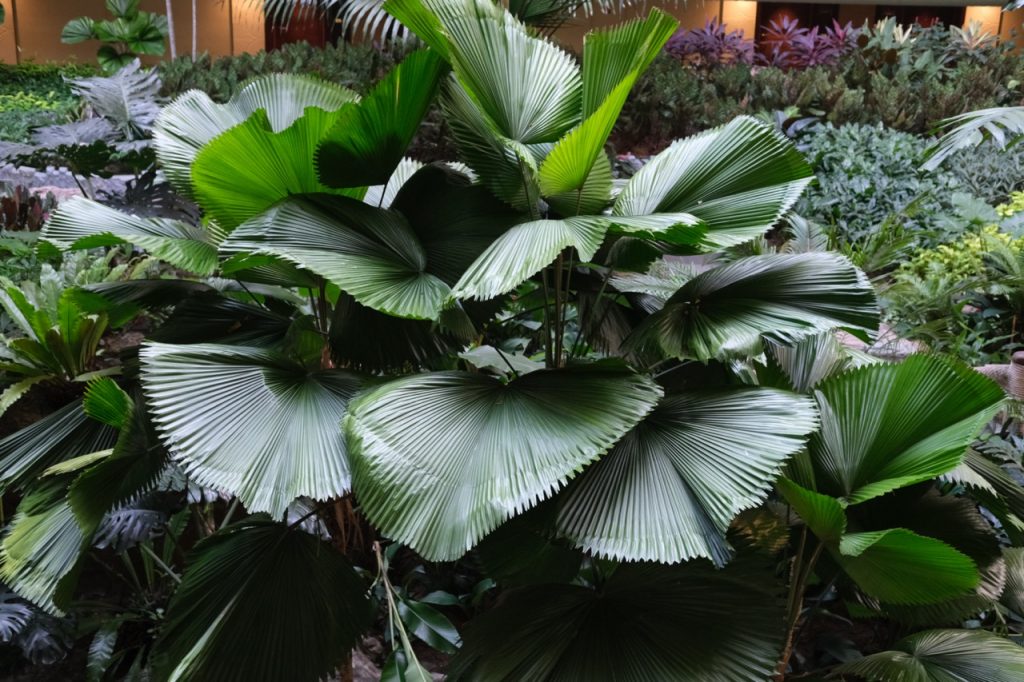
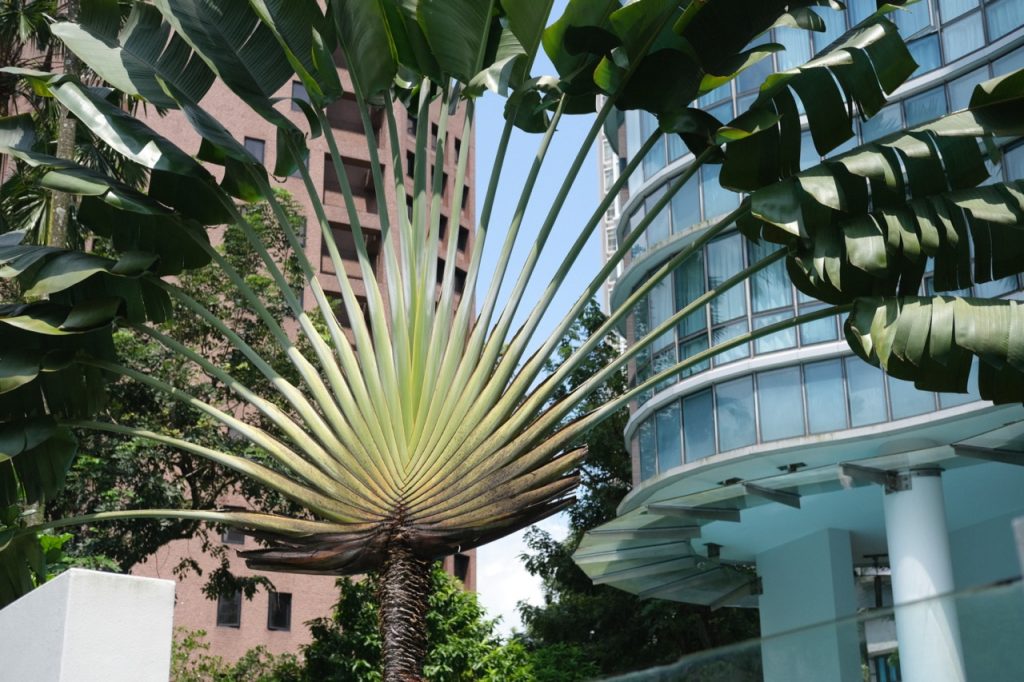
    • Plants will also help with this. Our time in Singapore has been very inspiring in this regard (for interior and exterior planting). Tropical plants that can do well in our climate and evergreen plants in particular are good to look into. But also orchids are something I want to get for our house.
    • Spend money on things that will last us, and be critical on the money spend on the house itself:
      • Don’t try to redo everything in this house. Work with what you got and improve where possible/necessary in a way that is economical and practical.
      • Focus on the living areas and make those work, don’t focus too much on the areas of use (garage, cellar).
      • Improve on the garden but don’t do an overhaul.
      • Don’t start with redoing work that has been done already. Even if your not 100% happy with the result, first focus on areas that haven’t been touched or finalised yet.
      • Discuss more often the state of our finances and our wishes in saving and spending for the future. Where do we want to go and how will we get there financially.

    Itinerary for reference (2024)

    AMS 10:25 21 Jan (Sun) Amsterdam, Schiphol Intl.
    SIN 05:55 22 Jan (Mon) Singapore, Changi
    SQ 323 Airbus A350-900 – Flying time: 12hrs 30mins

    SIN 21:35 24 Jan (Wed) Singapore, Changi , Terminal 3
    BNE 07:15 25 Jan (Thu) Brisbane, Brisbane Intl , Terminal Intl
    SQ 235 Airbus A350-900 – Flying time: 7hrs 40mins

    BN14:45 25 Feb (Sun) Brisbane, Brisbane Intl , Terminal Intl.
    SIN 20:35 25 Feb (Sun) Singapore, Changi
    SQ 236 Airbus A350-900 – Flying time: 7hrs 50mins

    SIN 23:55 28 Feb (Wed) Singapore, Changi , Terminal 3
    AMS 06:45 29 Feb (Thu) Amsterdam, Schiphol Intl
    SQ 324 Airbus A350-900 – Flying time: 13hrs 50mins

    Published

    Loose threads | Threaded stories

    A brand name idea that had strung a cord with me… further thoughts that came with it were the following:

    My brand story is not about China in and of itself. It’s about multiculturalism and anti-globalisation and about making/the maker. That’s the root source of my inspiration and motivation.

    A perspective on culture and how you see and perceive the world around you.

    Brainwaves from 2023

    Remember
    You don’t necessarily have to be able to explain yourself (brand), but it might benefit you if you can when you are asked too.